
Sheet Metal Stamping Industry News: Five Key Questions You Need to Know
What is Sheet Metal Stamping?
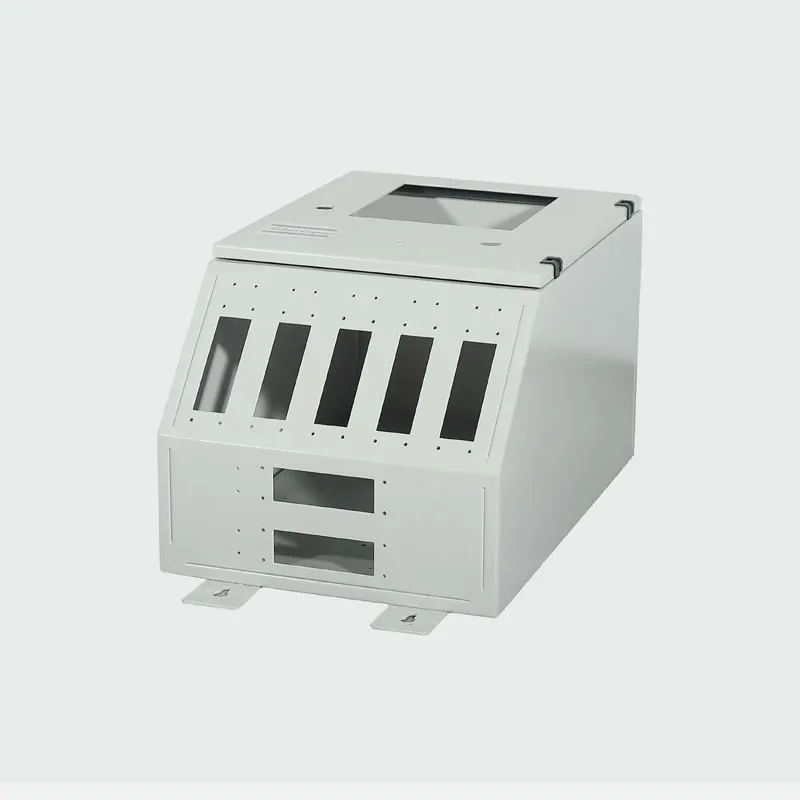
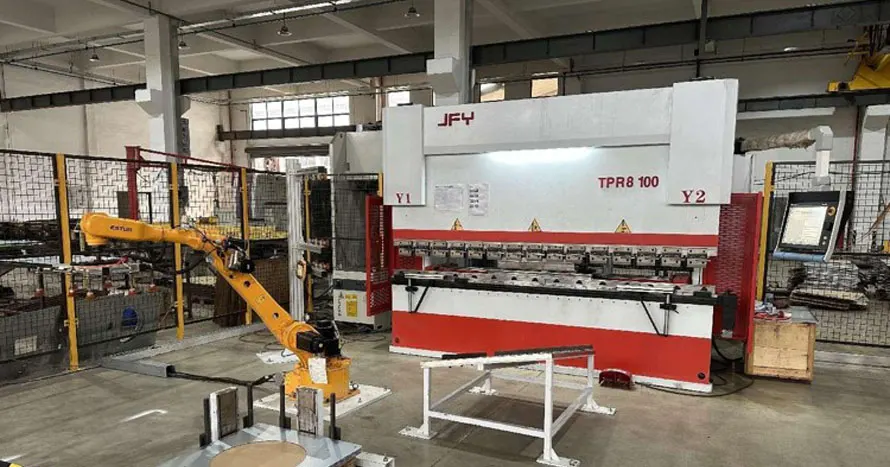
Sheet Metal Stamping is a manufacturing process that uses dies and press machines to shape flat metal sheets into specific forms. This process produces products such as automotive body panels, appliance housings, electronic enclosures, and battery case shells. Sheet Metal Stamping offers high production efficiency, excellent material utilization, and superior product consistency, making it a core process in modern mass production.
How to Choose the Right Material for Sheet Metal Stamping?
Material selection for Sheet Metal Stamping directly determines product performance and cost. Common materials include:
Material
Key Properties
Typical Applications
Mild Steel
Low cost, good formability
General structural parts
Stainless Steel
Corrosion resistant, high strength
Appliances, medical equipment
Aluminum Alloy
Lightweight
Electric vehicles, aerospace
Copper and Brass
Excellent conductivity
Electronic connectors, busbars
When selecting materials for Sheet Metal Stamping, you must consider strength, elongation rate, surface quality, and cost together.
Why is Sheet Metal Stamping More Efficient Than Other Forming Processes?
Compared to casting, forging, or machining, Sheet Metal Stamping offers several clear advantages:
High production speed: High-speed presses can perform dozens to hundreds of strokes per minute
Excellent material utilization: Scrap rate can be controlled below 10% with proper nesting design
Superior consistency: Every stamped part maintains the same dimensional accuracy
Low per-unit cost at scale: Tooling cost is distributed across high volume production
For these reasons, Sheet Metal Stamping is the preferred forming process for high-volume industries such as automotive, appliances, and electronics.
How to Ensure Quality in Sheet Metal Stamping?
Quality control in Sheet Metal Stamping runs through every stage from die design to final inspection:
Quality Stage
Control Method
Die Design
CAE simulation to analyze material flow, springback, and cracking risk
First Article Inspection
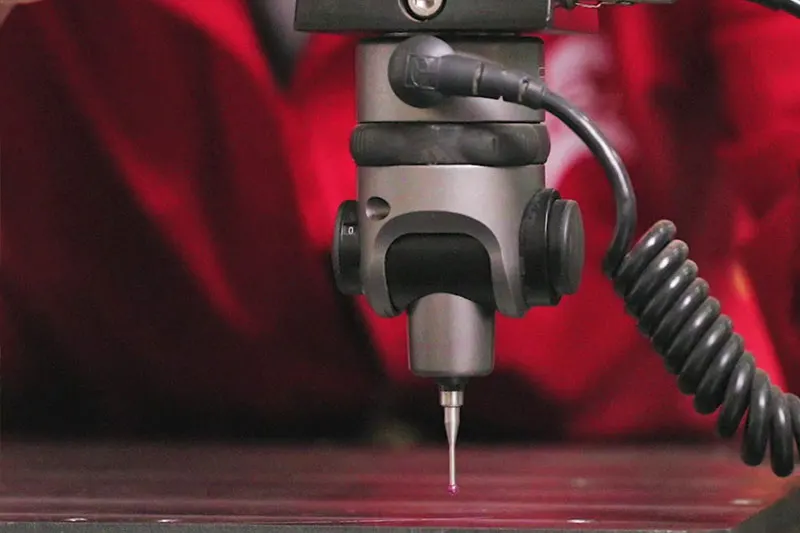
CMM (Coordinate Measuring Machine) to verify critical dimensions
In-Process Control
In-die sensors monitoring press force, stroke, and material thickness
Final Inspection
Manual or automated optical inspection for surface defects
With these methods, Sheet Metal Stamping products can achieve defect rates at the parts-per-million (PPM) level.
How is Electric Vehicle Manufacturing Changing Sheet Metal Stamping?
The rise of electric vehicles is creating new demands for Sheet Metal Stamping:
Battery enclosures: Require deep-drawn stamping with large dimensions and high precision
Lightweight structural parts: Aluminum stamping is replacing steel to reduce vehicle weight
Motor housings: Demand better thermal management features and tighter dimensional tolerances
Hydrogen fuel cell bipolar plates: Require ultra-thin sheet stamping below 0.1mm thickness
These new requirements are pushing Sheet Metal Stamping toward higher precision, more complex geometries, and advanced material capabilities.