
Fans and Impellers Parts: The Hidden Components That Keep Air Movement Systems Running Efficiently
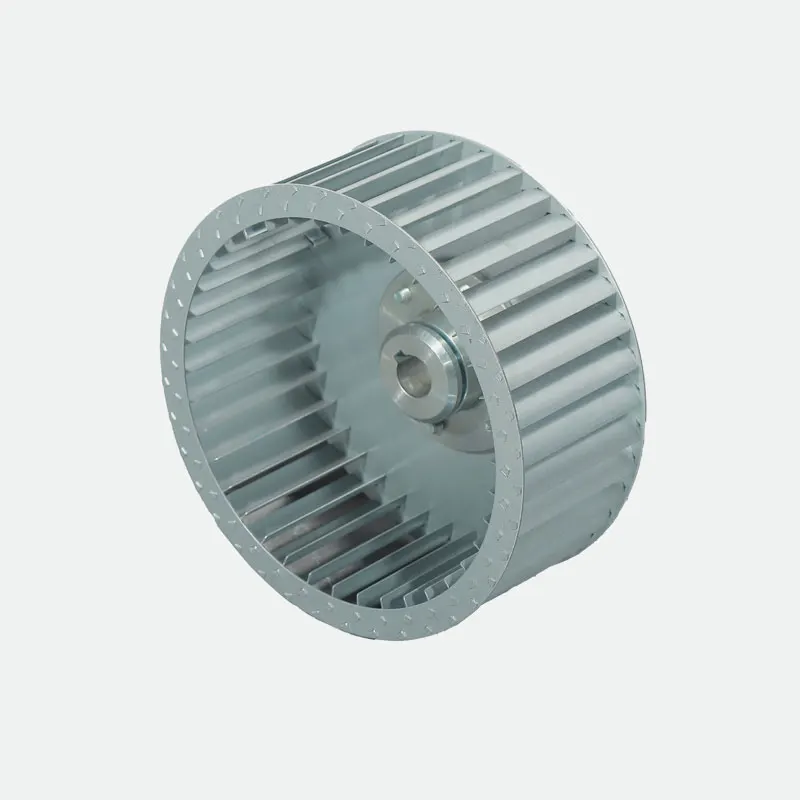
Fans are widely used in industrial ventilation, HVAC systems, cooling equipment, machinery, and many other applications. While the fan assembly may look simple from the outside, its performance depends heavily on the precision and quality of internal components.
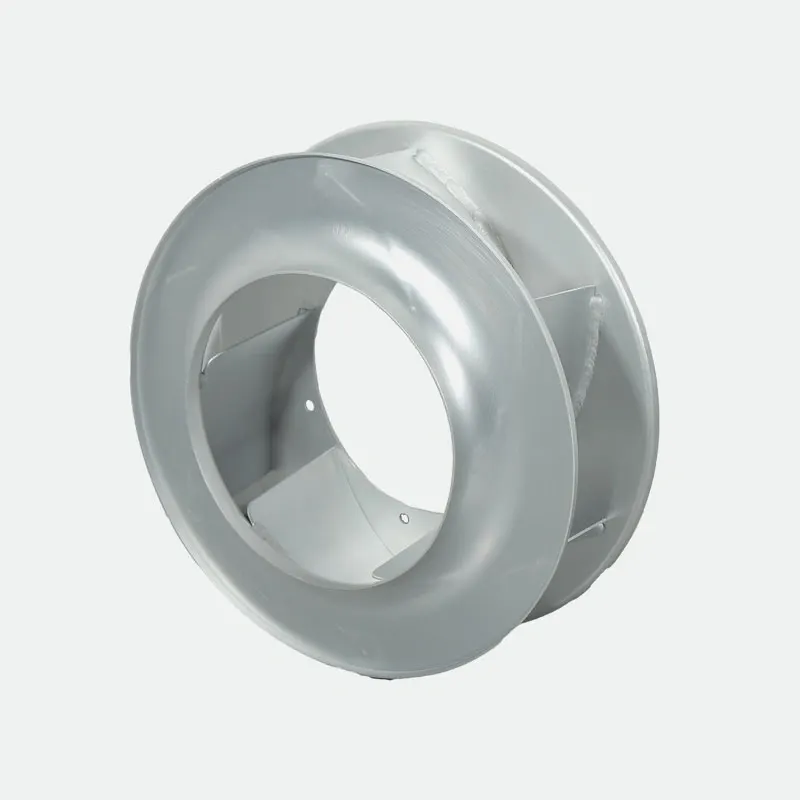
Fans and Impellers Parts are the essential elements that determine airflow, pressure performance, operating noise, and energy efficiency. From impeller blades and fan housings to shafts and balancing components, every part plays a role in maintaining stable air movement.
What Are Fans and Impellers Parts?
Fans and impellers parts refer to the individual components used to build, repair, or upgrade fan systems.
A typical fan assembly includes:
Part
Main Function
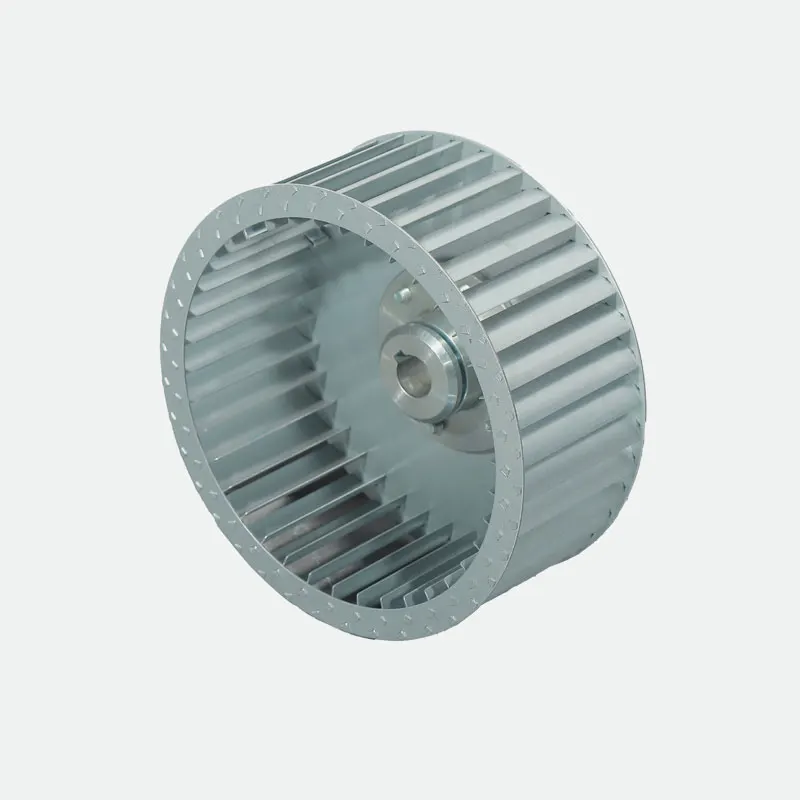
Impeller
Generates airflow through rotation
Blades
Push air and determine pressure characteristics
Hub
Connects blades with the rotating shaft
Shaft
Transfers motor power to the impeller
Housing
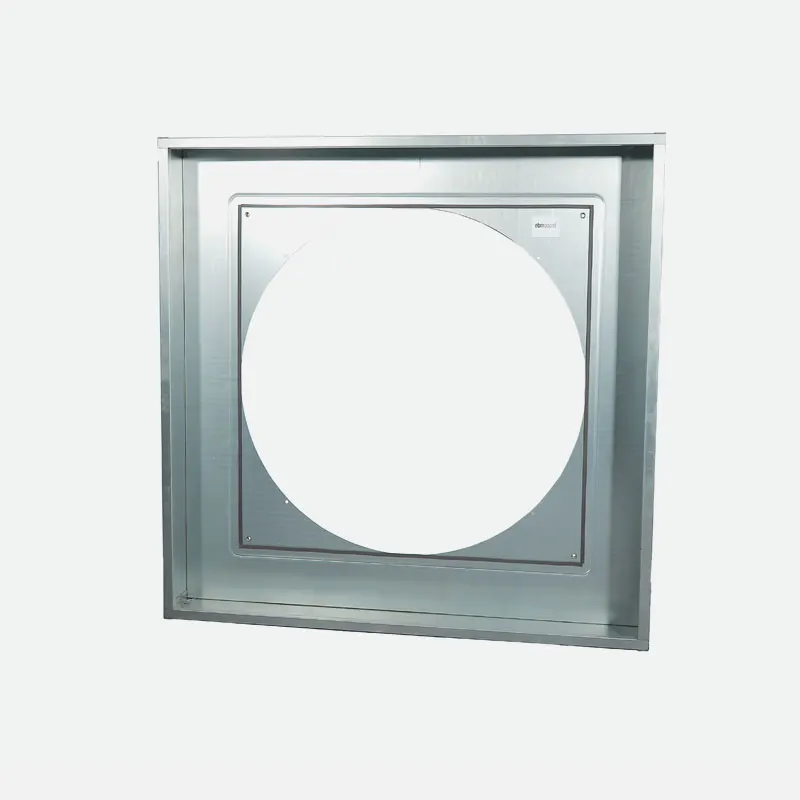
Guides airflow and protects internal components
Bearings
Support smooth rotation
Motor Coupling
Transfers mechanical power
Balancing Components
Reduce vibration during operation
Among these components, the impeller is often considered the "heart" of a fan because its design directly affects airflow performance.
How Does a Fan Impeller Work?
A fan impeller converts mechanical energy from a motor into airflow energy.
The basic process is:
The motor rotates the shaft.
The shaft drives the impeller.
The blades accelerate surrounding air.
The housing directs the airflow toward the outlet.
Different impeller designs create different airflow characteristics.
For example:
Backward-curved blades: Higher efficiency and suitable for many industrial applications
Forward-curved blades: Provide high airflow at lower pressure
Radial blades: Suitable for dusty environments and high-pressure applications
Why Can Two Fans with the Same Size Have Different Performance?
Many users assume fan performance mainly depends on physical size. However, two fans with similar dimensions can have completely different airflow and pressure characteristics.
The reason lies in hidden design factors:
Blade angle
Number of blades
Impeller diameter
Rotation speed
Blade surface shape
Internal clearance
A small change in blade geometry can affect:
Air volume
Static pressure
Power consumption
Noise level
This is why impeller design is often considered a combination of engineering calculation and practical experience.
Common Types of Fan Impellers
1. Centrifugal Fan Impellers
Centrifugal impellers move air outward from the center through centrifugal force.
They are commonly used in:
Industrial ventilation
Dust collection systems
Boilers
Air conditioning equipment
Advantages:
High pressure capability
Stable airflow
Suitable for duct systems
2. Axial Fan Impellers
Axial impellers move air parallel to the shaft direction.
Applications include:
Cooling systems
Ventilation equipment
Electronic equipment cooling
Advantages:
Large airflow capacity
Compact structure
Suitable for direct air movement
3. Mixed Flow Impellers
Mixed flow designs combine characteristics of axial and centrifugal fans.
They provide a balance between:
Air volume
Pressure
Efficiency
Why Is Impeller Balancing Important?
One often overlooked factor in fan performance is dynamic balancing.
During high-speed rotation, even a small weight difference in an impeller can create vibration.
Poor balance may cause:
Increased noise
Bearing wear
Reduced equipment life
Mechanical failure
Professional manufacturers often perform balancing tests to ensure stable operation.
Materials Used for Fan and Impeller Components
Material selection depends on operating conditions.
Material
Typical Applications
Aluminum Alloy
Lightweight fans, cooling systems
Carbon Steel
General industrial fans
Stainless Steel
Corrosive environments
Engineering Plastics
Low-noise and lightweight applications
Composite Materials
Energy-efficient fan designs
The correct material choice helps improve:
Strength
Corrosion resistance
Temperature tolerance
Service life
Factors That Affect Fan Impeller Performance
1. Blade Design
Blade shape influences:
Air pressure
Efficiency
Noise generation
A well-designed blade reduces unnecessary turbulence.
2. Rotation Speed
Higher speed usually increases airflow, but it may also increase:
Noise
Energy consumption
Mechanical stress
3. Manufacturing Accuracy
Impellers require precise manufacturing because imbalance or deformation can affect operation.
Important factors include:
Blade symmetry
Surface accuracy
Weight consistency
Assembly precision
Applications of Fans and Impellers Parts
HVAC Systems
Used in:
Air conditioners
Ventilation units
Air handling equipment
Industrial Ventilation
Common in:
Factories
Warehouses
Workshops
They help remove heat, dust, smoke, and unwanted gases.
Automotive and Transportation
Fan components are used for:
Engine cooling
Battery thermal management
Cabin ventilation
Industrial Machinery
Many machines rely on cooling fans to maintain stable operating temperatures.
Maintenance Tips for Fan Impeller Systems
Check for Dust Accumulation
Dust buildup on blades can:
Reduce airflow
Increase imbalance
Raise energy consumption
Regular cleaning improves performance.
Inspect Bearings
Worn bearings may cause:
Abnormal noise
Vibration
Increased friction
Monitor Vibration
Unexpected vibration is often an early warning sign of:
Impeller imbalance
Shaft problems
Bearing damage