
Metal Spinning
Sheet Metal Spinning
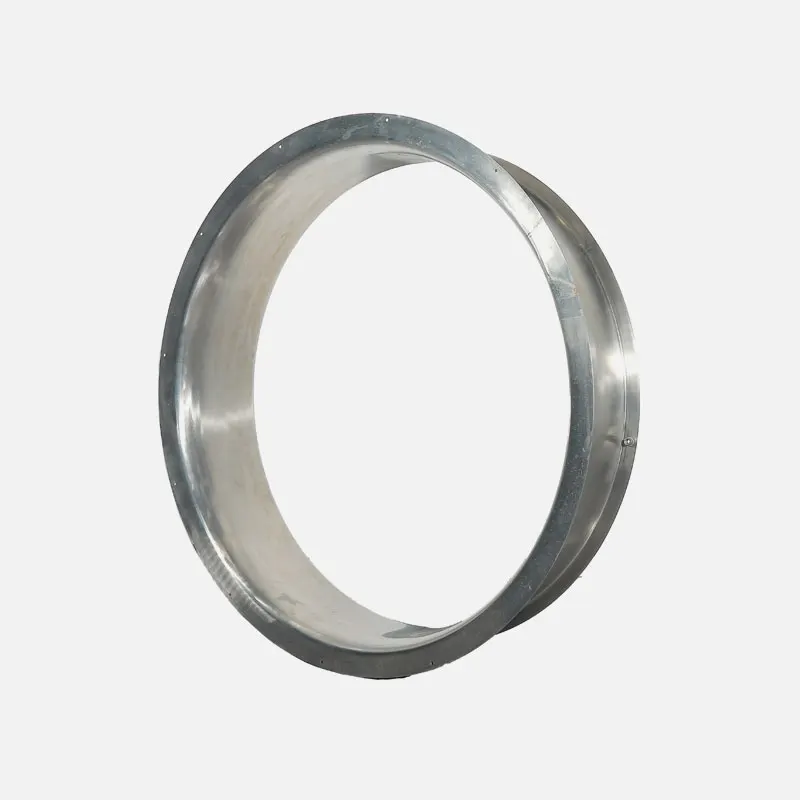
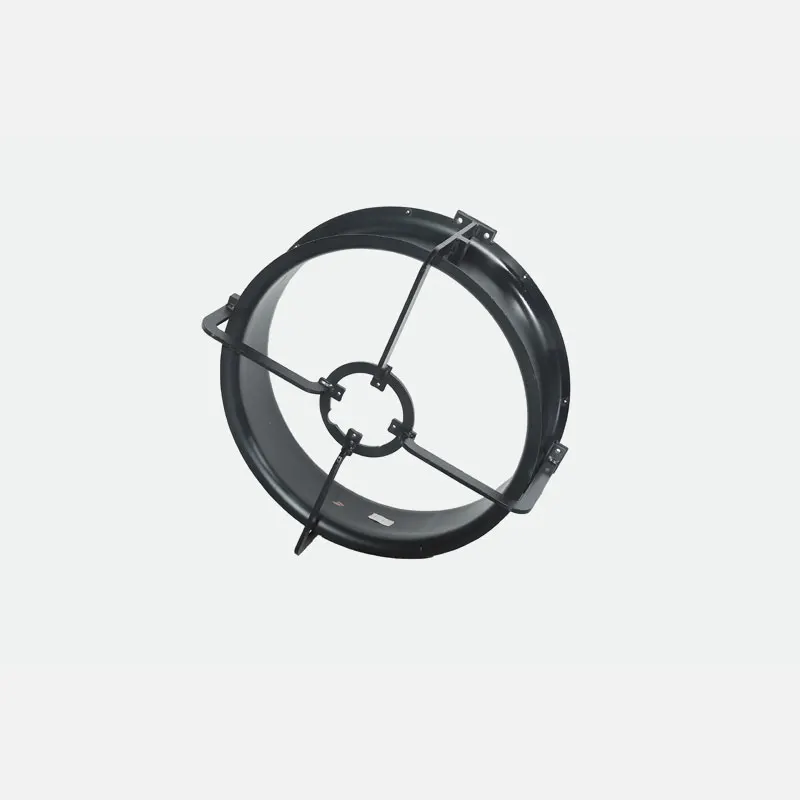
Sheet metal spinning, also known as metal spinning or metal lathe work, is a manufacturing process that involves shaping metal sheets into hollow forms through…
Send your drawing — we manufacture to order and quote within 24 hours.
Send drawings 1 / 3
1 / 31. Why Choose Tiandubang for Electrophoretic Processing of Metal Spray Parts
1. Why Choose Tiandubang for Electrophoretic Processing of Metal Spray Parts
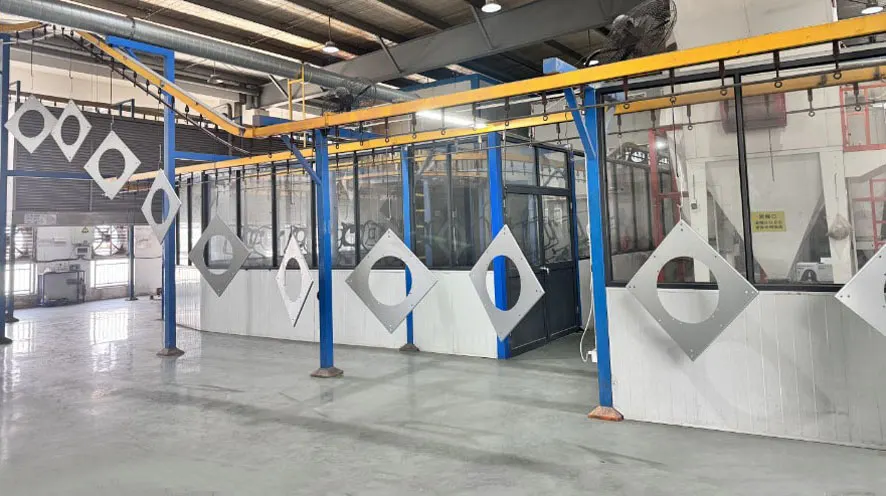
Tiandubang specializes in electrophoretic processing of metal spray parts as a hybrid surface treatment. The metal parts are first coated via electrophoretic deposition (EPD), then selectively sprayed for color or aesthetic touch-up.
This combination solves two common problems in metal finishing:
With Tiandubang , buyers get the corrosion performance of EPD and the visual flexibility of spray.
| Parameter | Tiandubang EPD Layer | Tiandubang Spray Topcoat (optional) |
|---|---|---|
| Coating type | Cathodic epoxy (lead-free, tin-free) | Polyurethane or acrylic |
| Curing condition | 190°C ± 5°C, 20 min | 80°C – 120°C (bake or air dry) |
| Thickness range | 15 – 30 µm (custom down to 12 µm) | 20 – 50 µm |
| Salt spray resistance (ASTM B117) | ≥ 720 hours on cold-rolled steel | ≥ 500 hours (with EPD primer) |
| Gloss level (60°) | 10% – 60% (matte to semi-gloss) | 10% – 90% |
| Maximum part size (Tiandubang line) | 1200 mm × 800 mm × 500 mm | Same |
3.1 Edge Coverage That Spray Cannot Achieve
3.2 Lower VOC and Waste
3.3 Dimensional Control for Fits and Threads
| Buyer need | How Tiandubang delivers |
|---|---|
| Reduce rejects from thin coating | EPD thickness variation < ±2 µm across complex shapes |
| One supplier for EPD + spray | No coordination between two vendors; single quality report |
| Cost predictability | Fixed pricing per kg or per part, including masking and spray |
| Material compatibility | Works on steel, zinc-plated steel, aluminum (after zinc phosphate pretreatment) |
Q: Can Tiandubang match a specific RAL or Pantone color on EPD parts?
A. The EPD base layer is typically black or grey. Color matching is achieved via the spray topcoat. We provide spectrophotometer validation (ΔE < 1.0).
Q: Does electrophoretic processing of metal spray parts add significant lead time?
A. Standard production: 7–10 business days for batches under 5,000 parts. EPD cures in-line; spray is done within 24 hours post-cure to ensure adhesion.
Q: How does Tiandubang ensure no coating inside threaded holes?
A. We use silicone plugs or high-temperature tape. Every batch is checked with a go/no-go gauge.
Q: What test reports are provided?
A. Each shipment includes:
6.1 Pre-sales Stage
6.2 Sampling
6.3 Production & Quality Control
6.4 Packaging & Shipping
| Phase | Service detail |
|---|---|
| Pre-sales | Free coating recommendation based on part geometry; corrosion test sample available |
| During production | Weekly photo update (racking → EPD → spray → final) |
| After-sales | 12-month warranty against blistering or peeling under stated conditions; 48-hour failure analysis response |
| Field support | Remote video inspection for coating defects; replacement batch for confirmed process error |
9.1 Certifications
9.2 Customer References (available under NDA)
9.3 Auditing
Sheet metal spinning, also known as metal spinning or metal lathe work, is a manufacturing process that involves shaping metal sheets into hollow forms through…
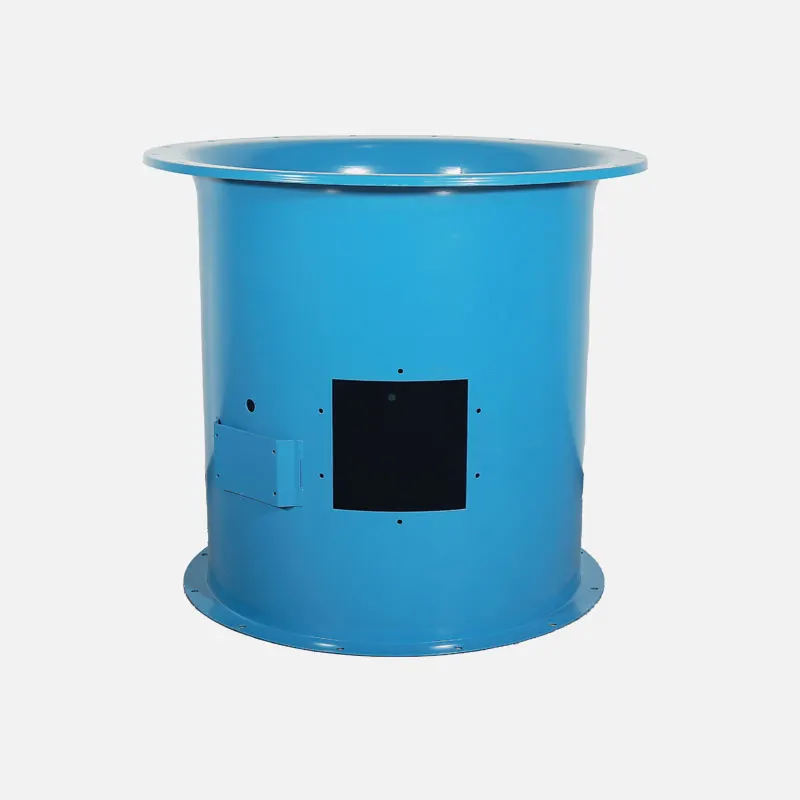
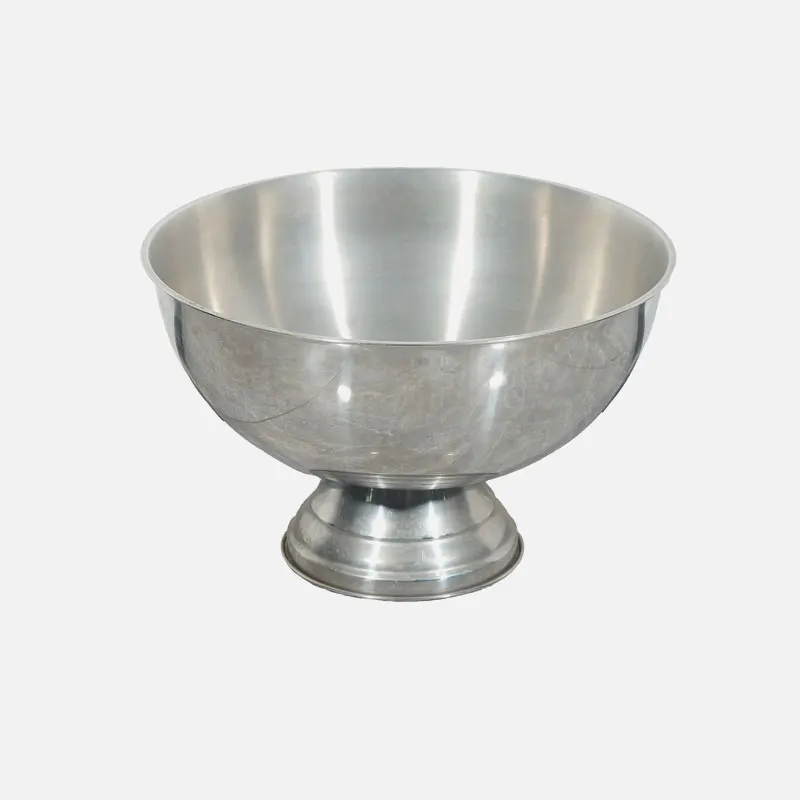
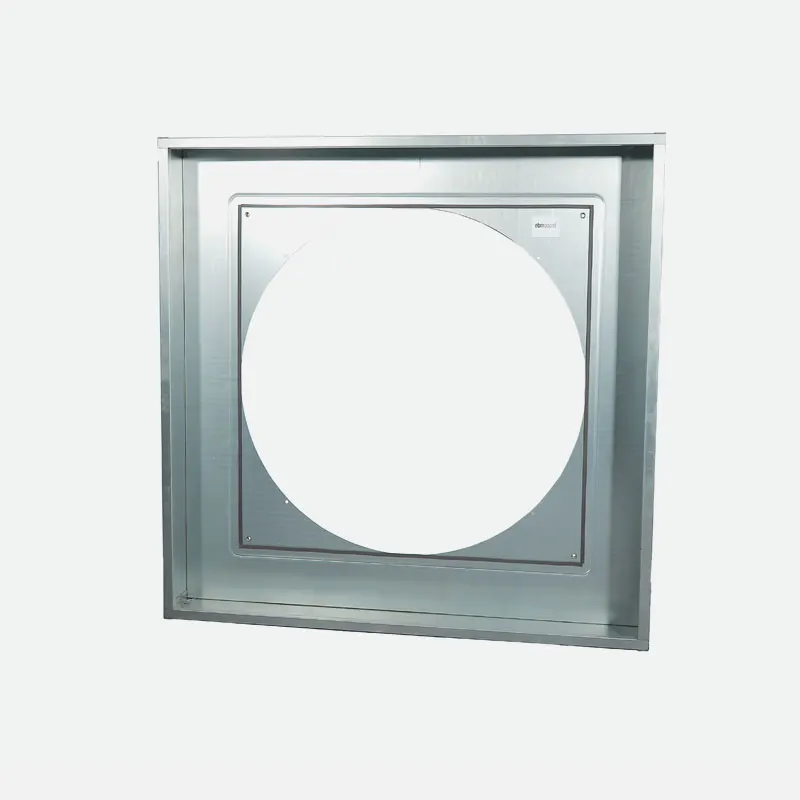
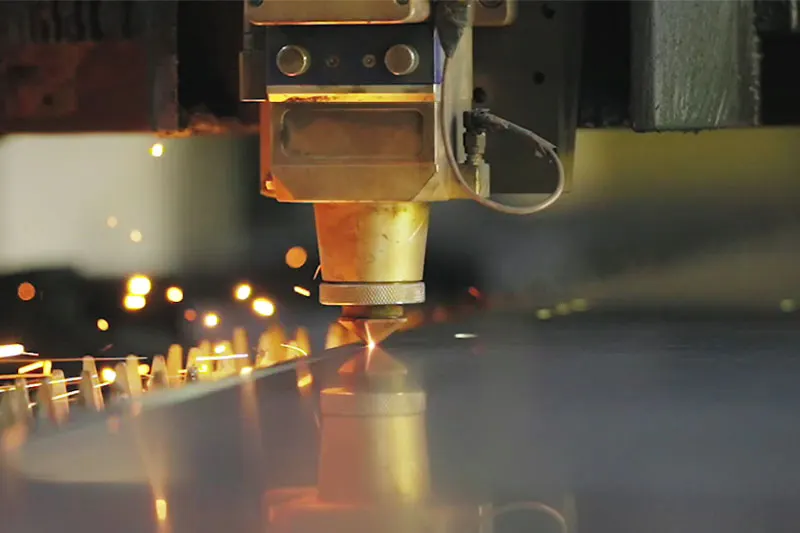
CNC Fabrication service usually covers the whole process from design to manufacturing, including 3D modeling of parts, process planning, programming, cutting…
Your drawings are kept strictly confidential. TDB engineers will review manufacturability and send a detailed quote.